

Weeks 1-2: measurement and the boring foundations
Everything you skip here you will pay for in month six. Verify the domain in Search Console — the domain property, not the URL prefix, so every subdomain and protocol is covered. Set up analytics with conversion tracking that actually records the action that makes money, not a pageview on a thank-you page. Decide the canonical hostname, force one protocol, and check that the staging environment is behind authentication rather than a robots directive.
Then handle the three files that quietly decide everything: robots.txt allowing what you want crawled, including a deliberate decision about AI crawlers; an XML sitemap containing only canonical, indexable, 200-responding URLs; and a rendering setup that puts the main content, the metadata and the internal links into the server-rendered HTML. A brand-new site rendered entirely client-side starts its life invisible to a growing share of crawlers.
Finally, write down what the site is. One canonical company name, one description, one address if there is one, used identically on the site, in the Organization markup and on every third-party profile you create. Entity consistency costs nothing at launch and is genuinely painful to retrofit two years later once forty directories carry three different descriptions.
- Search Console domain property + analytics with real conversion tracking
- One canonical hostname, one protocol, staging behind authentication
- robots.txt, sitemap and server-rendered content verified by hand
- Organization markup and a single canonical company description
- A baseline note: what the site looked like on day zero
Weeks 3-6: the pages that capture demand that already exists
The instinct on a new site is to start a blog. It is the slowest possible first move. Before any editorial volume, build the pages that answer the queries of people already looking to buy what you sell: the category page describing your product in the market's own words, the pricing page, the comparison pages against the incumbents, the use-case pages by industry or role, and the location pages if you serve places physically.
These pages are hard to write and easy to postpone, because they require decisions — what exactly do we sell, to whom, at what price, and why us rather than the obvious alternative. That is precisely why they are valuable: the competitors who avoided those decisions have vague pages, and vague pages lose to specific ones even from a young domain.
Do the keyword work at the intent level rather than the phrase level. Group the queries one page can serve, check the live SERP for each group to see what format is winning, and write for that format. Twenty pages built this way beat a hundred articles about industry trends, and they produce the first conversions that justify continuing.
Weeks 7-10: proof, structure and the first links
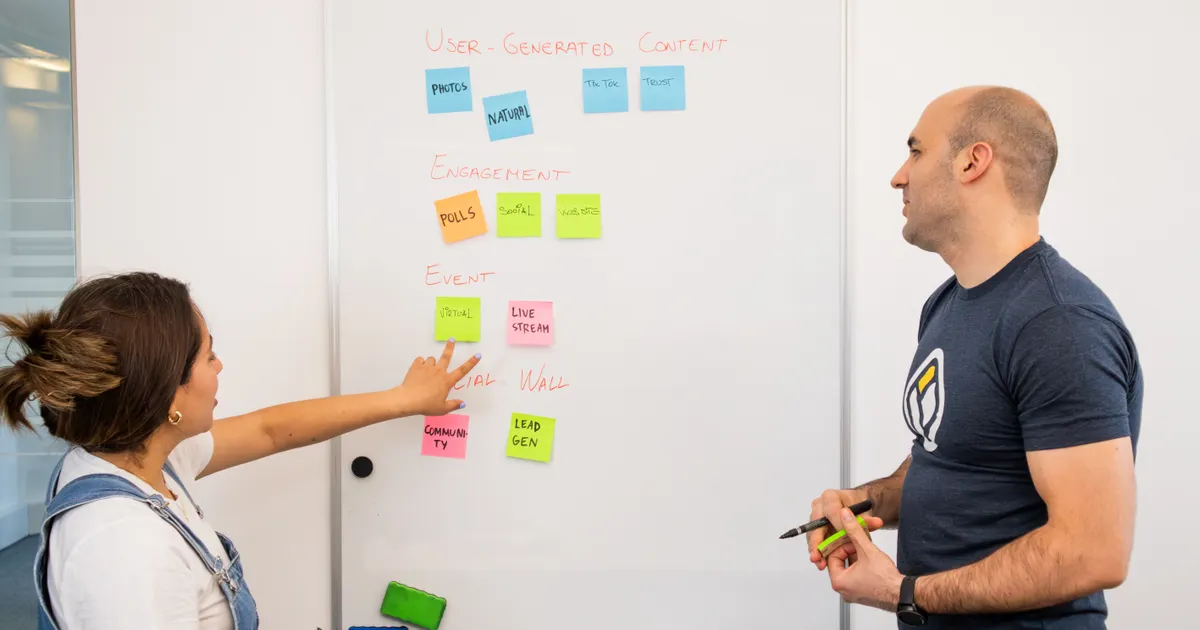
A new domain has no trust, so the fastest thing you can build is evidence. Named authors with real credentials, dated pages, sourced claims, a visible legal identity, a contact route that reaches a human, and — where you have them — customer results with numbers. None of this is glamorous and all of it is what separates a site that reads as a business from a site that reads as an affiliate project.
Structure the internal linking from the start, while it is still cheap. Every commercial page should be reachable from the navigation in one or two clicks; every new page should be linked from at least three existing relevant pages; and the pages you most want to rank should receive the most internal links. On a twenty-page site this takes an afternoon; on a two-thousand-page site it becomes a project.
For external links in the first quarter, the correct budget is close to zero and the correct activity is real: get listed in the directories and registries your industry actually uses, get the company profile on the review platforms your buyers read, publish anything genuinely worth citing, and tell the people who already know you that the site exists. What you must not do is buy a link package. A three-month-old domain with fifty new referring domains is the easiest pattern in the world to spot, and the cleanup costs more than the links did.
Weeks 11-13: read the data, fix the pipeline
By week eleven Search Console has enough data to be informative, and the first question is indexation, not ranking. What share of published pages is indexed? Pages sitting in "Crawled — currently not indexed" are telling you they were judged not worth storing, which is a content or duplication problem, not a patience problem. Fix that before publishing anything else.
The second question is impressions. A new site with impressions on the queries it targeted is working, even at position 30, because impressions mean the page is eligible and being assessed. A new site with no impressions on its target queries has a relevance problem — the pages are answering something other than what the market asks — and no amount of link building will resolve it.
The third is the pipeline itself. Can the team publish a page without a developer? Does anyone review before publishing? Is there a list of what comes next and why? Most sites that fail at month twelve did not fail at SEO; they failed at shipping, and the first quarter is when that becomes visible and cheap to fix. If capacity is the constraint, size it with the budget estimator and compare delivery models with the cost comparison.
What day 90 should look like
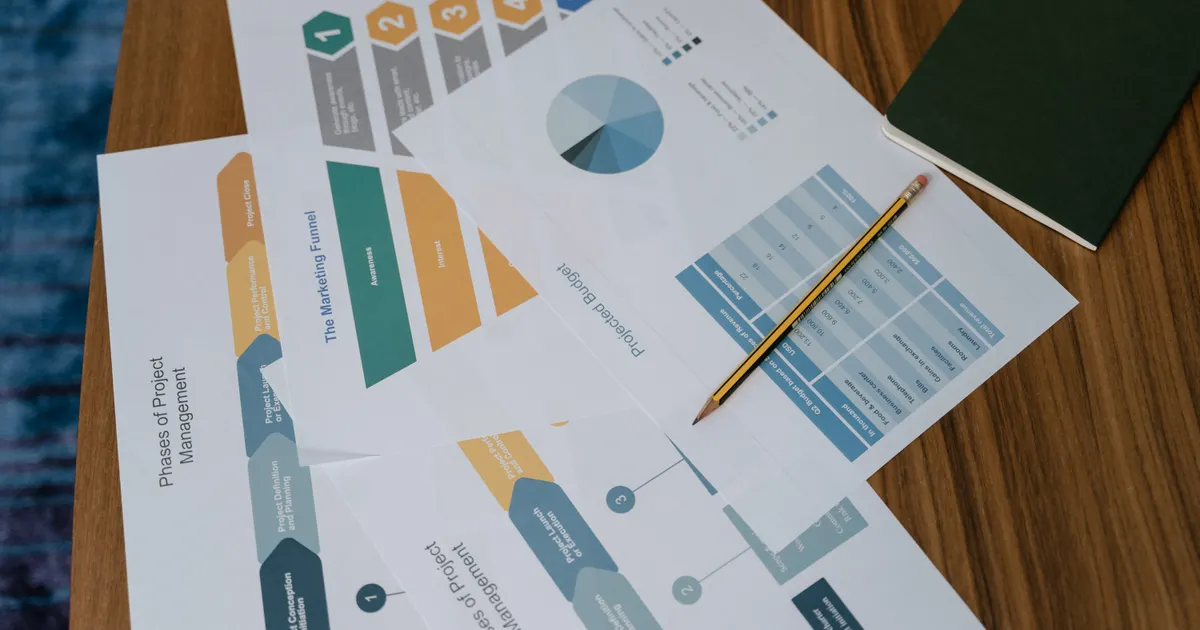
Judged on traffic, ninety days on a new domain looks like failure, and teams that judge it that way cancel programmes that were on track. The honest scorecard is different: most published pages indexed, impressions appearing on the queries you targeted, a handful of long-tail positions inside the top twenty, a working publishing pipeline, and a set of commercial pages you would be comfortable sending a prospect to directly.
Two signals matter more than any position. First, whether anything converted — even one enquiry from organic on a new domain tells you the commercial pages match a real intent. Second, whether the branded searches have started: people searching your company name is the earliest sign that the wider marketing is producing the demand SEO will later capture.
Then set the horizon honestly for whoever is funding this. A new domain in a competitive market takes twelve to eighteen months to produce meaningful organic revenue, and anyone promising faster is either selling paid traffic in disguise or planning to take risks with your domain. Model the ramp explicitly with the ROI simulator, agree the payback horizon before month four, and use the guides on KPIs and reporting to make sure the review at month six is about evidence rather than opinion.


